
Most Lake Titicaca itineraries are decided by a bus schedule, not by the lake. Boats to the islands leave Puno early in the morning, so the hour you arrive in town decides whether you start exploring right away or lose a day waiting. That is why this guide is built around time: which side of the lake to choose, how to plan one, two, or three days on the Peruvian side, and how to match your transport to the plan.
Lake Titicaca at a glance
Lake Titicaca is the highest navigable lake in the world, set at about 12,500 feet (3,812 meters) in the Andes and shared by Peru and Bolivia. On the Peruvian side, Puno is the base for visiting the Uros floating islands, Taquile, and Amantaní; on the Bolivian side, Copacabana is the base for Isla del Sol. Most travelers need one to two nights in Puno.
- Elevation: about 12,500 feet (3,812 meters) at the surface.
- Gateway city in Peru: Puno, roughly seven hours by bus from Cusco.
- Time needed: one full day for the classic islands, two days to include an overnight homestay.
- Best months: May to October, the dry season.
- Protected status: much of the Peruvian reed marsh belongs to the Titicaca National Reserve, created in 1978, and the Peruvian side is a Ramsar wetland of international importance.
Peru or Bolivia: which side of Lake Titicaca is better for you?
There is no single right answer, because each side suits a different route. Here is how they compare:
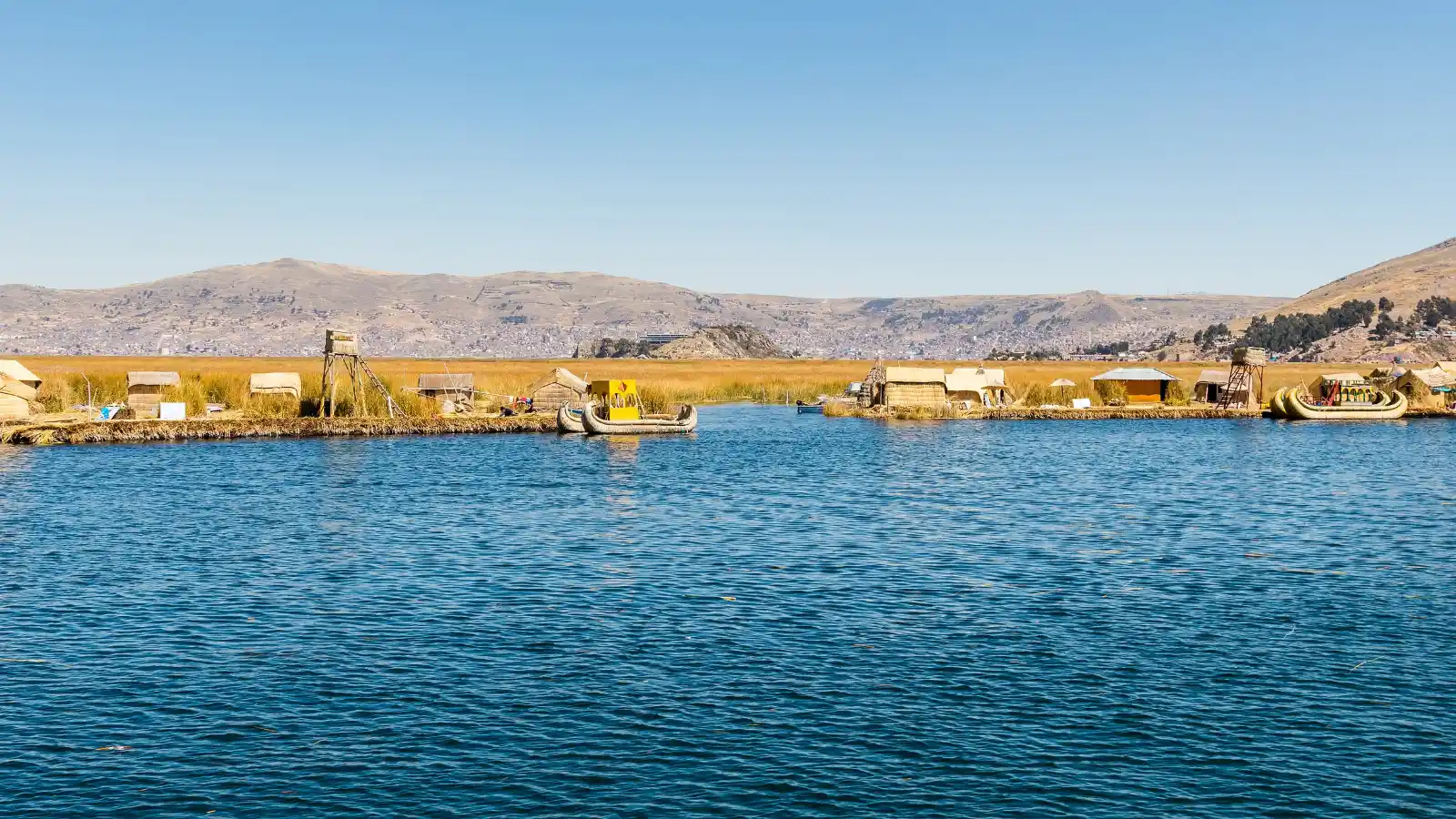
- What you see: Peru has the Uros floating islands, which exist only on this side, plus the textile island of Taquile and homestays on Amantaní. Bolivia has Isla del Sol, with Inca ruins and a long hiking trail across the island.
- Who it suits: Peru fits travelers moving between Cusco and Arequipa, since Puno connects to both by direct overnight bus. Bolivia fits travelers heading to or from La Paz.
- Border logistics: visiting Copacabana from Puno means a border crossing and Bolivia’s own entry rules, which vary by nationality. Staying on the Peruvian side avoids that step entirely.
If your trip is centered on southern Peru, the Peruvian side of Lake Titicaca gives you the most variety for the least logistics.
How to plan one, two, or three days at Lake Titicaca
The islands are spread out across the lake, so the number of days you have decides which ones you can reach.
Half a day: the Uros and the Yavari
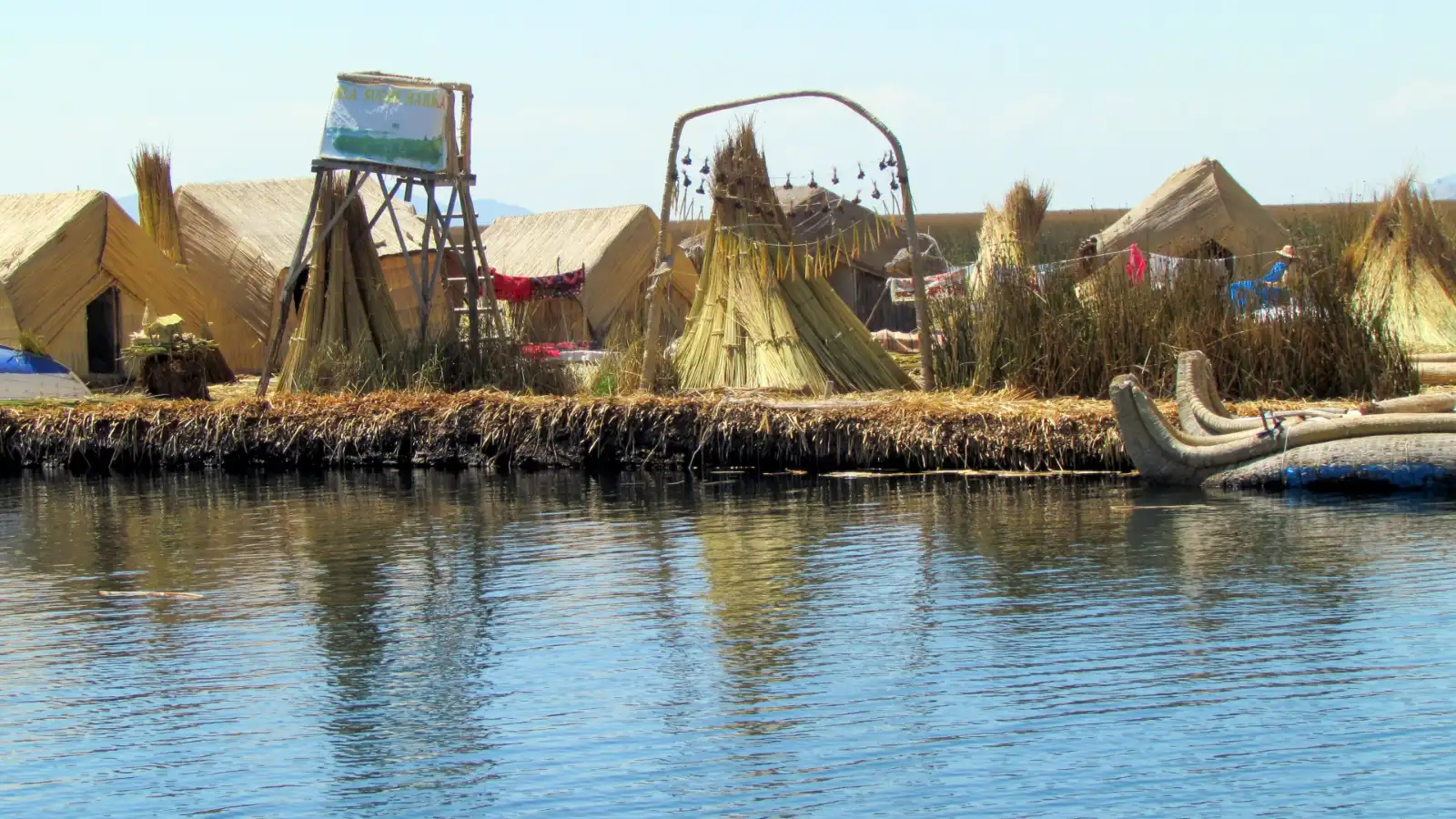
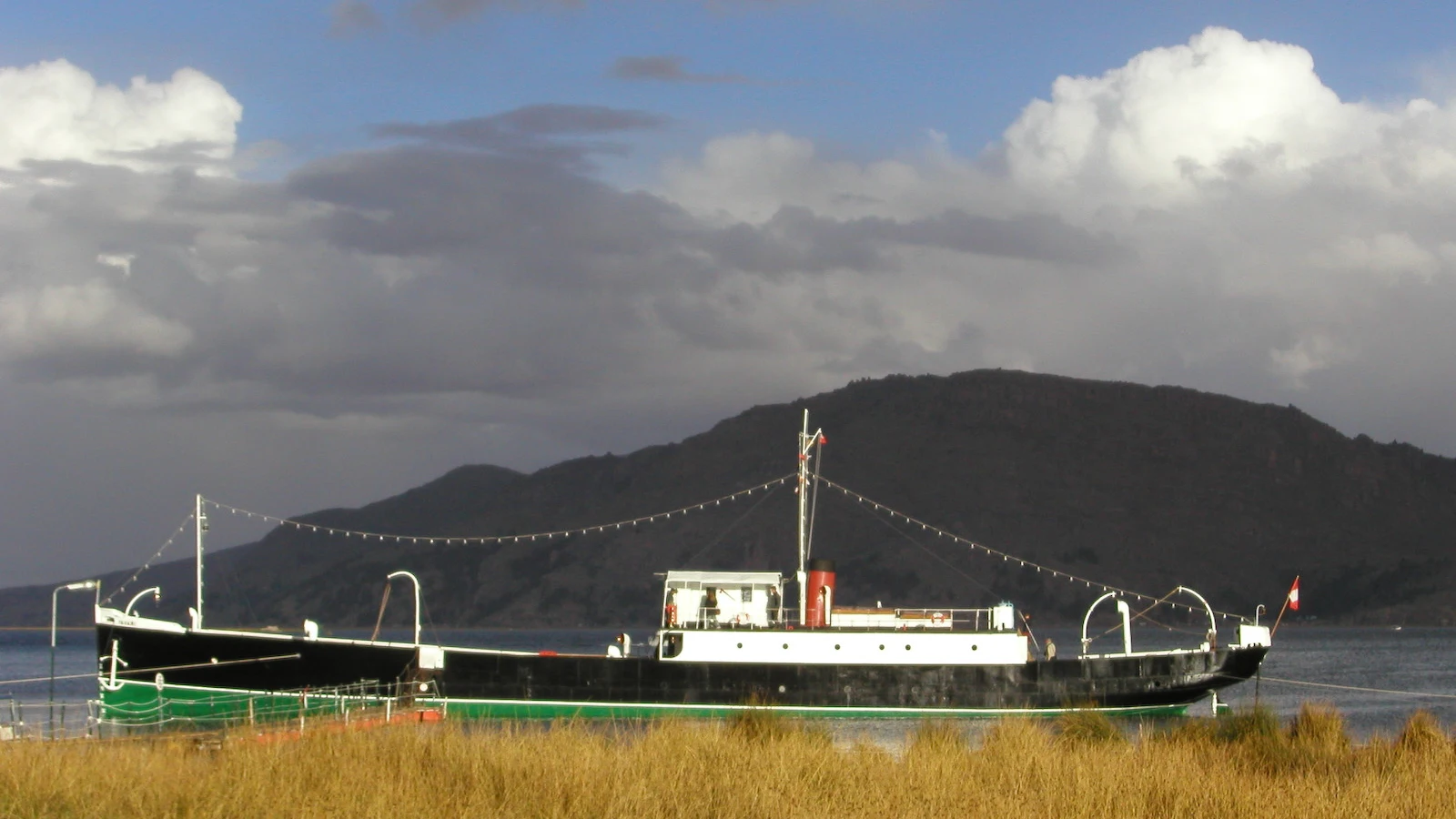
If you only have a morning, take a short boat trip to the Uros floating islands, twenty to thirty minutes from the port. They are built from layers of totora reed and renewed from the top every few weeks. Back on shore, the Yavari, a 19th-century steamship built in England and carried to the lake in pieces, now works as a museum in Puno Bay and fills the rest of the morning.
One full day: the Uros and Taquile
This is the classic Lake Titicaca tour. After the Uros, the boat continues for two and a half to three hours to Taquile, a natural island whose Quechua-speaking community is known for a textile tradition recognized by UNESCO, in which the men knit. Lunch is on the island and you are back in Puno by mid-afternoon. For the details of both islands, see our guide to the Uros and Taquile islands.
Two days: an overnight homestay on Amantaní
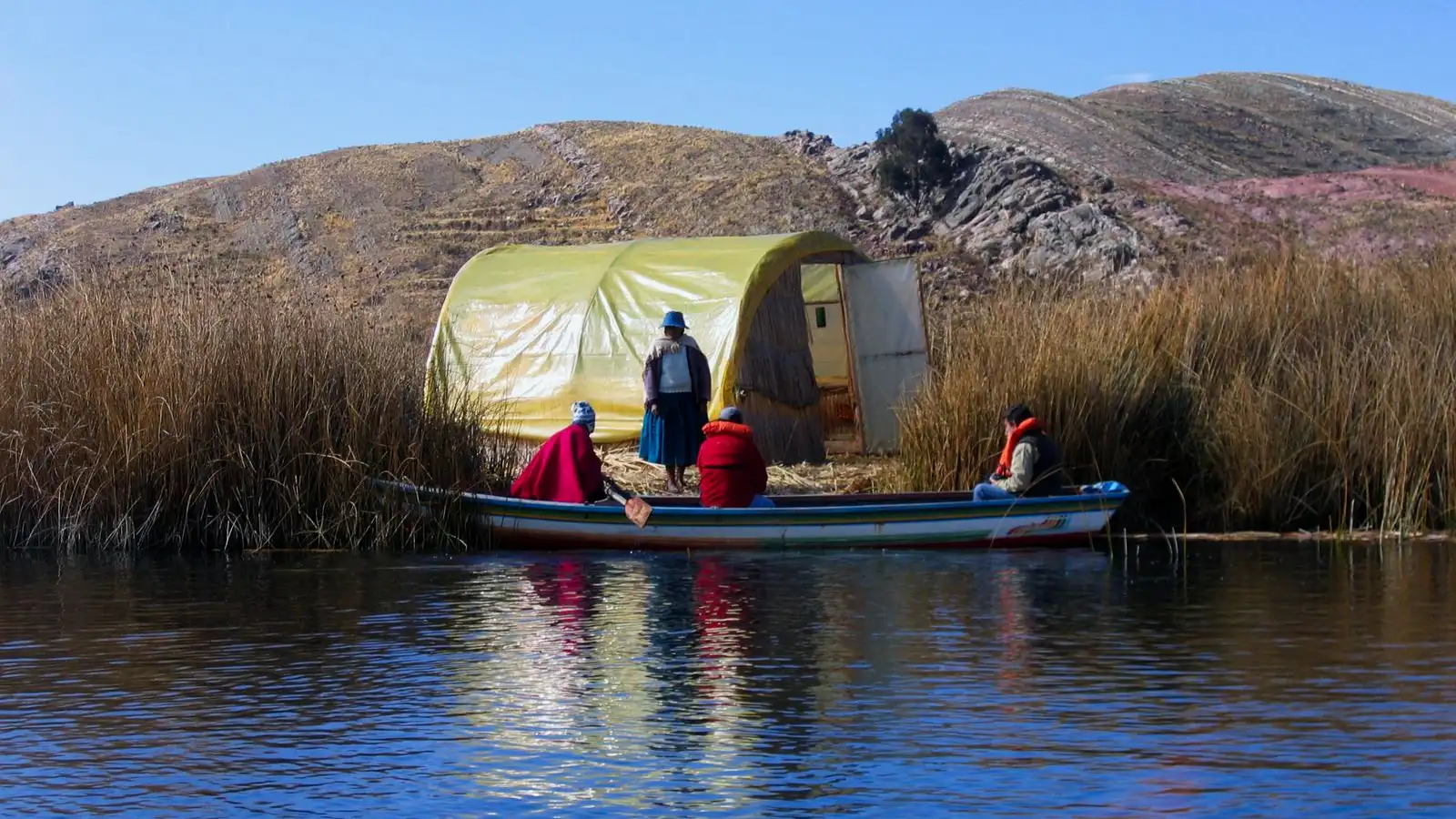
The two-day tour adds a night on Amantaní with a local family. You share dinner in a simple adobe home and hike at sunset to the hilltop temples dedicated to Pachamama and Pachatata, then continue to Taquile the next morning. Rooms have no heating and nights get very cold, but this is the version of the lake most travelers remember.
Three days: the shoreline and Sillustani
A third day lets you explore the lake from land. The Capachica Peninsula, north of Puno Bay, has communities such as Llachón that host visitors and small sandy beaches. To the south, the town of Chucuito has colonial churches and the Inca Uyo, a stone enclosure linked to fertility rites. A short drive inland, the pre-Inca burial towers of Sillustani overlook Lake Umayo, about 22 miles (35 km) from Puno.
What to check before booking a lake tour
Tours from Puno look alike on paper, but a few details change the experience:
- Island entrance fees: the Uros and Taquile charge small community fees that are often not included in the tour price. Bring cash in small bills, since cards are not accepted on the islands.
- Time on each island: the cheapest tours spend about thirty minutes on the Uros. If the islands are your priority, look for longer stops or a smaller group.
- Homestay conditions: on Amantaní, ask what bedding is provided and bring warm layers for the night.
- Who runs it: operators that work directly with island communities tend to share more of the income locally.
Getting to Puno: match your bus to your lake plans
Because boats leave early, choose your transport based on the day you want to spend on the water.
- To tour the lake on arrival day: take the direct overnight bus from Cusco to Puno, which leaves at 10:00 p.m. and arrives around 5:00 a.m. You reach Puno with the whole morning ahead of you.
- To make the journey part of the trip: the Route of the Sun travels by day with four guided stops and arrives at 5:30 p.m., so the lake comes the next morning.
- From Arequipa: the direct bus from Arequipa to Puno runs overnight and arrives early.
- By air: fly into Juliaca, about an hour’s drive from Puno.
For ideas on how to use your remaining time in the city, read whether Puno is worth visiting.
Puno altitude and Lake Titicaca: how to handle it
Puno sits at about 12,500 feet (3,810 meters), roughly 1,300 feet higher than Cusco, and a day on the lake adds strong sun reflecting off the water, wind, and uphill walks on Taquile or Amantaní. If you are arriving straight from the coast, leave the full-day tour for your second day, drink plenty of water, and walk slowly. Our guide to beating altitude sickness in Cusco and Puno explains how to prepare.
Lake Titicaca in 2026: drought and reed fires
The lake is going through a prolonged drought caused by low rainfall across the altiplano, and its water level has dropped. That has left large areas of dry totora reed along the shore, which have been hit by several fires in 2026. Update, October 23, 2026: the most recent began on October 20 in the Uros Chulluni and Chimú sectors near the Uros islands. According to Peru’s Civil Defense, it burned about 200 hectares (roughly 500 acres) of natural cover and was brought under control on the night of October 21 with help from the Peruvian Navy, firefighters, and the municipality.
Before you book, ask your tour operator or homestay about conditions in the area you plan to visit.
When to visit Lake Titicaca
From May to October, the dry season brings clear skies and calm water, with freezing nights from June to August. From December to March, afternoon rain is common and visitor numbers drop. Early February brings the Fiesta de la Candelaria, one of the largest festivals in Peru, when Puno fills with music and dance and hotels book up weeks ahead.
Frequently asked questions
Is Lake Titicaca worth visiting?
Yes, especially if you go beyond the half-day Uros tour. An overnight homestay on Amantaní or a day on the Capachica Peninsula shows a way of life you will not find elsewhere on the Peru travel circuit.
Can you visit Lake Titicaca as a day trip from Cusco?
Not realistically. Puno is about seven hours from Cusco by road, so you need at least one night there. The overnight bus lets you arrive early and tour the lake the same day.
Do you need a tour to visit the Uros islands?
No. Shared boats leave from the port of Puno for the nearest islands, but a guided tour explains how the islands are built, which is the most interesting part of the visit.
Is Lake Titicaca safe to visit?
Yes, it is generally safe for travelers. The main challenges are the altitude and the cold, so plan your first day calmly and check current conditions near the reed beds before booking.
How cold is Lake Titicaca?
The water stays cold all year, at roughly 50 to 57°F (10 to 14°C). Days can feel warm in the sun, but temperatures drop quickly after sunset, especially in the dry season.
The easiest way to get more out of Lake Titicaca is to plan the trip around it. Check schedules and book the direct Cusco to Puno bus or the Route of the Sun.